
Haldex AWD Servicing: Protect Your Quattro & 4Motion Systems
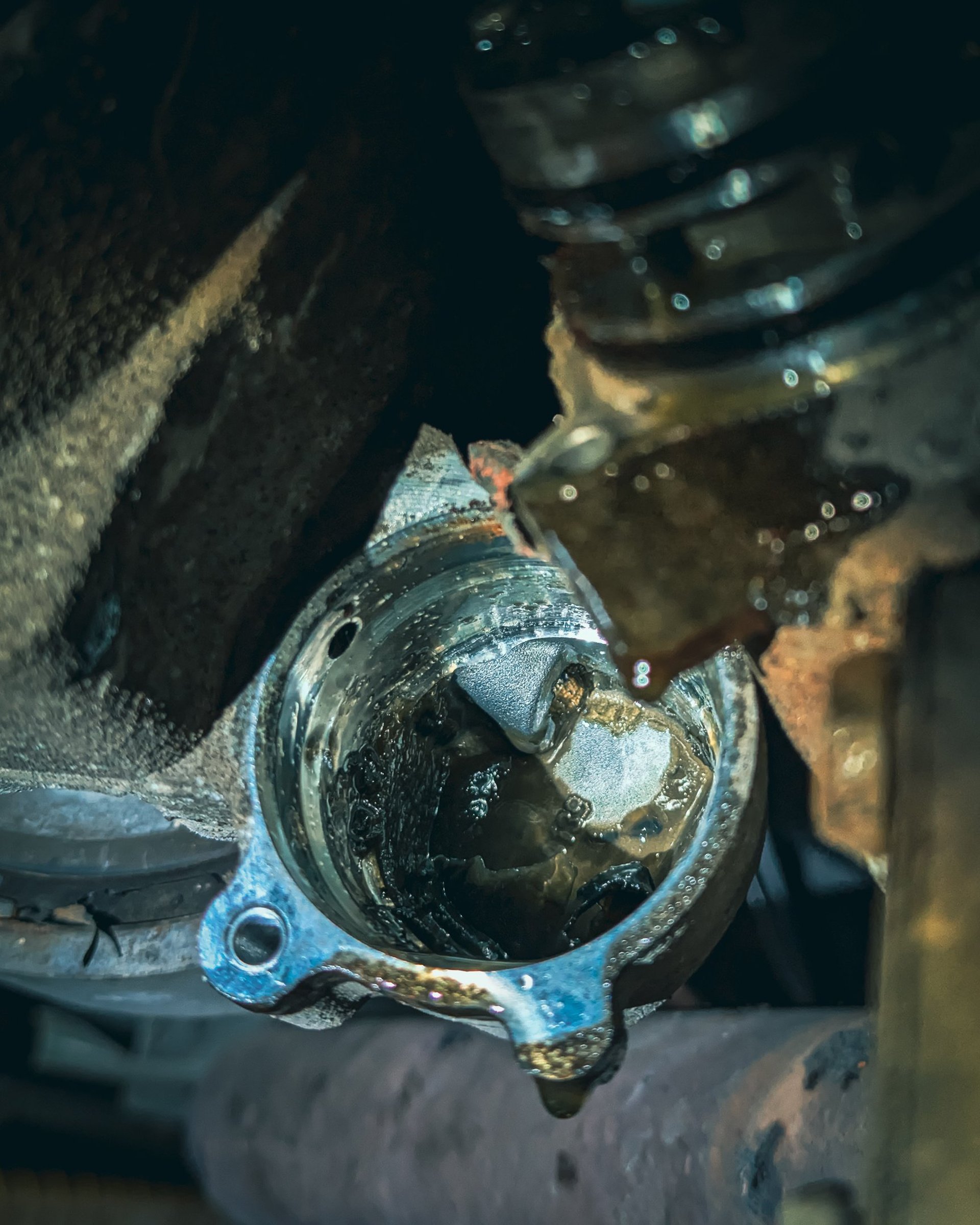
Don't wait until your car is aggressively spinning its front wheels in the wet. Over time, the internal fluid in your Haldex system breaks down into a thick, dark sludge. If this sludge isn't physically cleaned out, it will completely choke the AWD pump's mesh filter, causing the pump to overheat, burn out, and leave you with a heavy front-wheel-drive car and a massive replacement bill.
From AWD to FWD: Don't Let Sludge Destroy Your Haldex Pump
The Main Dealer "Half-Job" & The Sludge Problem
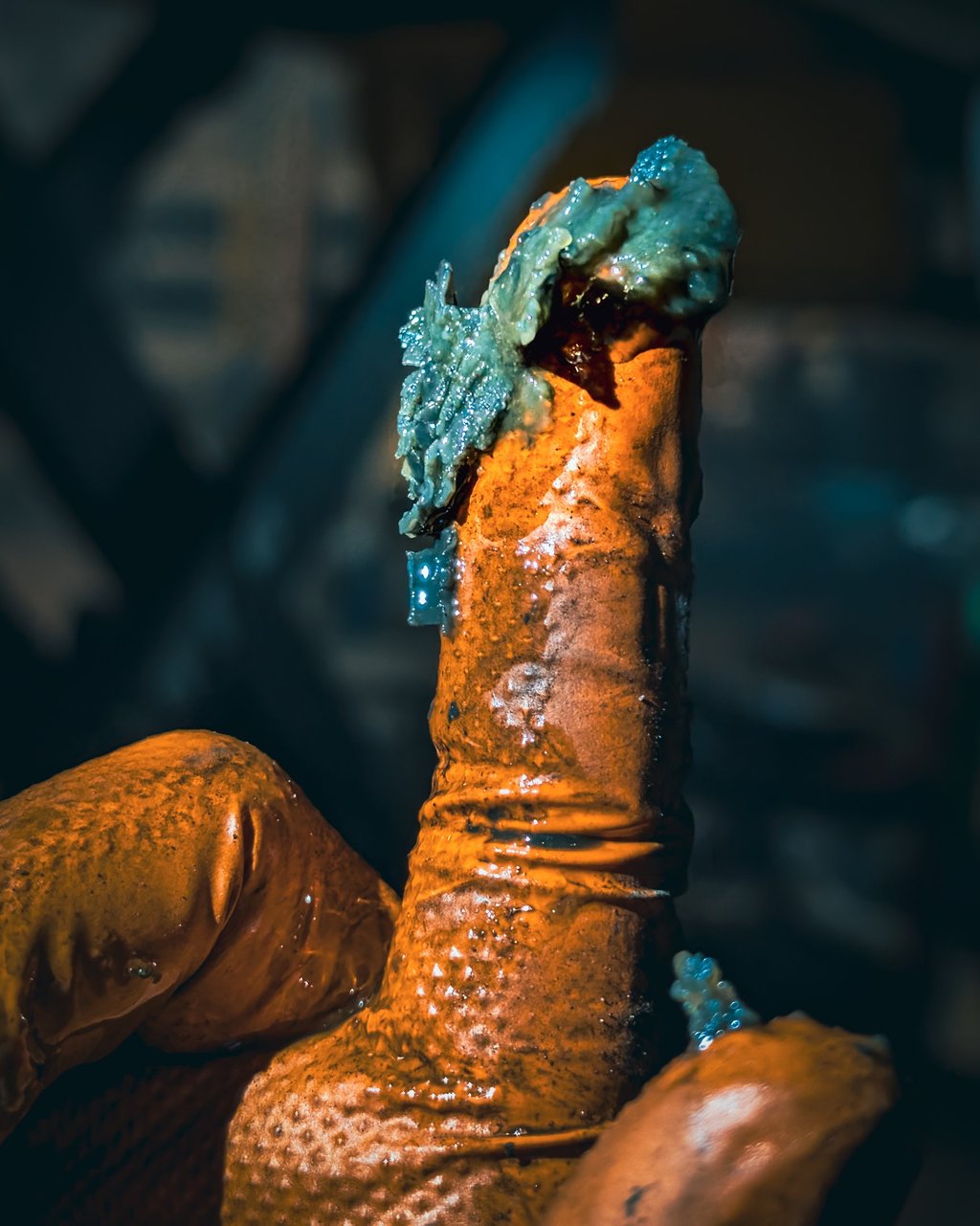
The Haldex system operates using internal clutch plates bathed in oil. As these plates naturally wear during hard acceleration and cornering, microscopic friction material mixes with the fluid. Over time, this creates a heavy, dark sludge.
Many main dealerships and general garages will service a Haldex unit by simply draining the old oil and pumping in the new fluid. This is not enough. The sludge sinks to the bottom of the unit and completely coats the microscopic mesh strainer attached to the Haldex pump. If you don't physically remove the pump and clean this mesh, the new oil cannot flow. The pump will starve, overheat, and burn out entirely.
Our True Specialist Servicing Process:
We perform a complete, preventative service that goes far beyond a basic fluid drop:
Pump Extraction: We completely remove the Haldex pump from the rear differential housing.
Mesh Strainer Cleaning: We physically clean the thick sludge buildup off the pump’s internal mesh strainer.
Filter Replacement (Gen 2 & Gen 4): If your vehicle has an earlier Generation 2 or Generation 4 Haldex unit, we replace the internal filter cartridge (something main dealers often claim is a "non-serviceable" part).
Housing Flush: We clean out the internal housing to remove residual debris.
Genuine Fluid Refill: We re-install the pump and fill the system with genuine, high-performance manufacturer-approved Haldex fluid.
Pump Relearn: We use dealer-level diagnostics to run a pump re-learn procedure, ensuring perfect AWD engagement.
Symptoms of a Failing Haldex System
Because a failing Haldex pump doesn't always trigger a check engine light immediately, you might not realise your AWD is broken until you need it most. Watch out for:
Severe Front Wheel Spin: If your Golf R or Audi S3 suddenly aggressively spins its front wheels when pulling out of a damp junction, the rear wheels are not receiving power.
Dashboard Warnings: "AWD Fault," "4WD System Fault," or traction control lights illuminating under hard acceleration.
Binding or Juddering: A strange skipping or binding sensation from the rear wheels when doing tight, slow-speed maneuvers (like parking).
Vehicles Covered (Gen 4 & Gen 5 Haldex Systems)
We service all generations of Haldex systems, but we most frequently see Generation 4 and the newer Generation 5 units (which lack an internal filter, making pump removal and cleaning even more critical).
Popular models we service include:
Volkswagen (4Motion): Golf R (Mk6, Mk7, Mk7.5, Mk8), Tiguan, Passat Alltrack, T-Roc R, Arteon.
Audi (Quattro): S3, RS3, TT, TTS, TTRS, Q3, SQ3, A1 Quattro.
SEAT/Cupra: Leon Cupra 4Drive, Ateca, Formentor.
Skoda (4x4): Octavia vRS 4x4, Superb, Kodiaq, Karoq, Yeti.
Volvo (AWD): XC40, XC60, XC90, V40 Cross Country, V60, V90.
Ford (AWD): Kuga AWD models using similar intelligent coupling systems.
Don't Lose Your AWD Performance
Haldex servicing should be carried out every 30,000 to 40,000 miles (or sooner if the car is tuned or tracked heavily). A proper service costs a fraction of the price of replacing a burnt-out Haldex pump.
Book Your Haldex Service Today
Quality Assured Gearbox Rebuilds
Ayrshire, Kilmarnock
Follow Us for Updates
© 2025. All rights reserved.
Get in Touch
Find Us
About