
Why Your VW Tiguan Lost Its 4WD: Expert Haldex Repair in Kilmarnock on VW, Audi, and Skoda Models
This little filter is the only thing standing between your All-Wheel Drive system working perfectly... or burning out completely. 🔥 We just saved this customer a fortune by diagnosing a blocked Haldex pump strainer instead of just throwing parts at it. A deep clean, fresh fluid, and a software adaptation later, and this Tiguan is back to tearing up the tarmac. 🚗💨
2/12/20264 min read
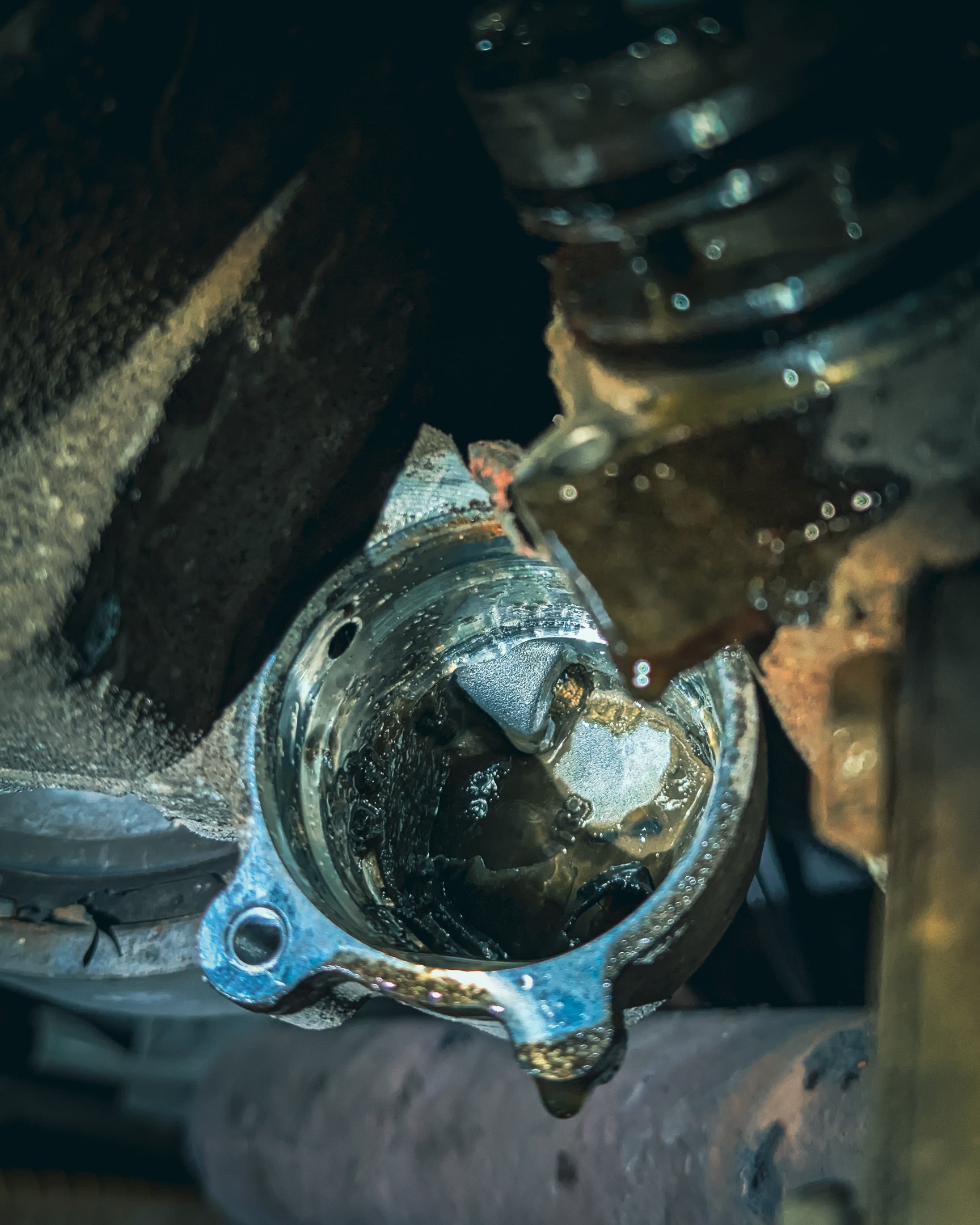
At Mechtronics, we love a challenge, but more than that, we love educating our customers on how to keep their cars running smoother for longer. Recently, we had a 2018 Volkswagen Tiguan visit our workshop in Kilmarnock with a complaint that is becoming worryingly common in modern AWD vehicles.
The owner reported that despite having a capable 4Motion SUV, the car felt nervous on wet roundabouts. There was excessive front wheel spin when pulling away quickly, and the traction control light was flashing frantically—behaviour you’d expect from a small hatchback, not a sturdy family 4x4.
The diagnosis? A choked Haldex system.
In this post, we’re going to take a deep dive into what happened, why the official service schedule often isn’t enough, and how our specific approach saved this customer a bill for thousands of pounds.
The Technology: Understanding the Gen 5 Haldex
Most modern VAG group cars (VW, Audi, Seat, Skoda) use the Generation 5 Haldex Coupling. It’s a brilliant piece of engineering. Unlike old-school 4x4s that use heavy gears to lock wheels together, this system is "on-demand."
It uses a high-speed electric pump to pressurise oil, which clamps a set of wet clutch plates together. This engages the rear wheels in milliseconds when the car detects slip.
However, the Gen 5 system has a design quirk: It does not have a traditional, replaceable paper filter.
The Problem: The "Sludge" Cycle
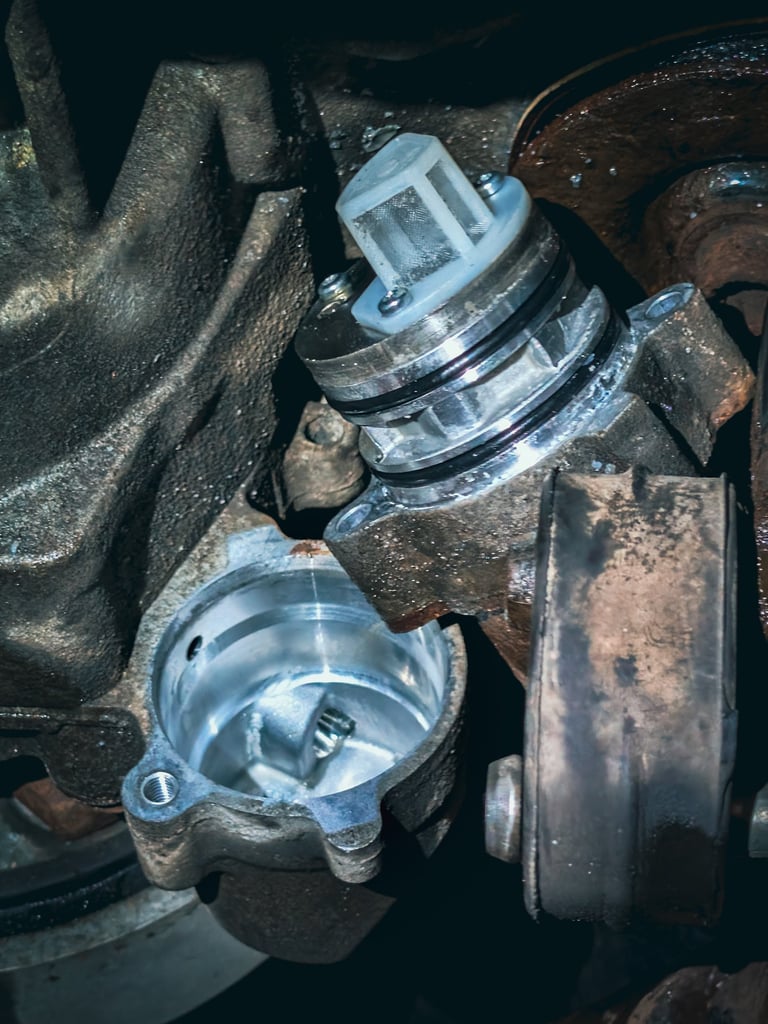
Because the system uses wet clutches (like a motorcycle), friction material naturally wears off the plates over time. In older systems, a paper filter would catch this debris. In the Gen 5 system, there is only a tiny, fine nylon gauze on the intake of the pump itself.
Here is what we found on our customer's Tiguan:
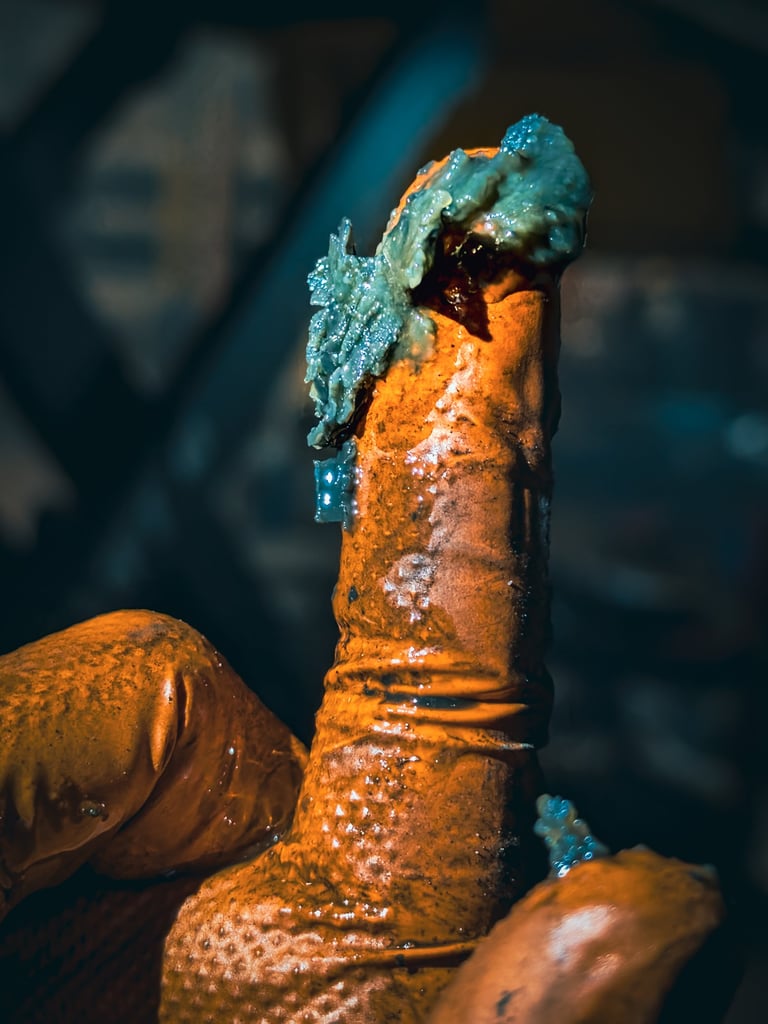
Friction Wear: Over 40,000 miles, the clutch material had worn down, mixing with the oil to form a thick, grey, graphite-like sludge.
The Blockage: This sludge had been sucked towards the pump, completely coating the intake gauze.
Starvation: The pump was spinning furiously, trying to build pressure, but it couldn't suck any oil through the blockage.
System Shutdown: Eventually, the car's ECU detected the pump was drawing too much current (working too hard) and shut the system down to prevent a fire or burnout.
The result? The car defaults to Front-Wheel Drive permanently, often without even turning on a check engine light until it's too late.
The "Dealer Service" Gap
This is where it gets frustrating for owners. If you take your car to a main dealer for a "Haldex Service," the official Volkswagen workshop manual often only instructs the technician to drain the oil and refill it.
They do not routinely remove the pump to clean the strainer.
This means you can have a "Full Service History" and still have a blocked pump, because the fresh oil just sits on top of the old sludge. At Mechtronics, we do it differently.
The Mechtronics Fix: Doing It Right
We don't believe in cutting corners. Here is the step-by-step process we performed on this Tiguan:
Diagnostic Scan: We confirmed the fault using dealer-level software (ODIS/VCDS), identifying the specific "Pump Mechanical Failure" code.
The Strip Down: We drained the old fluid and physically removed the Haldex pump from the coupling housing.
The Reveal: As suspected, the gauze was 90% blocked with slimy residue.
Deep Clean: We used specialist solvents to dissolve the sludge from the gauze and cleaned out the housing where the sludge tends to settle.
Reassembly & Refill: We reinstalled the pump and filled the unit with the correct high-performance Haldex fluid.
Software Adaptation: This is the crucial final step. We used our diagnostic computers to perform a "Pump Learn" function. This tells the car's computer to re-calibrate the pressure, ensuring the rear wheels engage exactly when they are supposed to.
The Outcome
The difference was night and day. On the test drive around Kilmarnock, the Tiguan planted its power firmly. No wheel spin, no hesitation—just instant grip. By cleaning the pump rather than just replacing it, we saved the customer the cost of a new unit (which can be upwards of £500+ for the part alone!).
Is Your Car at Risk?
If you drive a VW Golf R, Tiguan, Audi S3, RS3, Q3, Seat Leon Cupra, or Skoda Octavia/Superb 4x4, you likely have this system.
We recommend a Haldex Pump Service & Clean every 20,000 to 30,000 miles. If you leave it longer, that sludge creates heat, which can permanently burn out the pump motor or damage the control unit.
Don't wait for the warning lights. Prevention is always cheaper than the cure.
Trust your local specialists to keep you moving.
Mechtronics – Ayrshire’s Vehicle Electronics & Repair Specialists
📍 Address: 44 Bentinck Street, Kilmarnock, KA1 4AW
📞 Tel: 01563 606620
Got a warning light on your dash? Drop us a message or pop in. We speak car, so you don't have to.
The "Lifetime" Myth:
Why Your Tiguan’s 4WD System Failed (And How We Fixed It)
Quality Assured Gearbox Rebuilds
Ayrshire, Kilmarnock
Follow Us for Updates
© 2025. All rights reserved.
Get in Touch
Find Us
About